About Zinc stearate powder, Zinc stearate, Zinc distearate, Octadecanoic acid, zinc salt, Zinc dioctadecanoate Stearic acid, zinc salt Zinc(II) stearate Zinc soap) Zinc octadecanoate
It is widely used as arelease agentfor the production of many kinds of objects: rubber, polyurethane, polyester processing system,powder metallurgy. These applications exploit its "non-stick" properties.[3]In cosmetics, zinc stearate is a lubricant and thickening agent used to improve texture.[4]
It is an "activator" for accelerated rubbersulfur vulcanization. As discovered in the early days of vulcanization, zinc has a beneficial effect on the reaction of the sulfur with the polyolefin. The stearate is a form of zinc that is highly soluble in the nonpolar medium of the polyolefins.
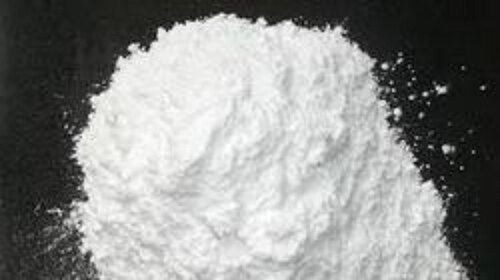
A Versatile Lubricant and Release AgentZinc stearate powder stands out as an indispensable additive in plastics, rubber, and paint industries due to its excellent lubricating and release properties. Its fine, white, free-flowing form ensures ease of use in manufacturing. With high thermal stability and compatibility with a range of materials, it is a preferred choice for various industrial applications.
Superior Stability and Safety FeaturesEngineered for industrial environments, this grade of zinc stearate is odorless, tasteless, non-flammable, and non-poisonous. It provides dependable performance under thermal stress up to 180C, is insoluble in water but dissolves in aromatic and chlorinated hydrocarbons, and is safe for handling when appropriate guidelines are followed.
Packaging and Storage RecommendationsFor optimal effectiveness and longevity, zinc stearate powder is packaged in 25 kg bags or drums. It should be stored in a cool, dry, well-ventilated area to prevent moisture pickup. When properly stored, it retains its properties for up to two years from the date of manufacture.
FAQs of Zinc stearate powder, Zinc stearate, Zinc distearate, Octadecanoic acid, zinc salt, Zinc dioctadecanoate Stearic acid, zinc salt Zinc(II) stearate Zinc soap) Zinc octadecanoate:
Q: How is zinc stearate powder commonly used in industrial applications?
A: Zinc stearate powder is primarily used as a lubricant, mould release agent, and flatting agent in plastic molding, rubber processing, and paint formulations. Its ability to ensure smooth product ejection and even surface finish makes it indispensable in these sectors.
Q: What are the main benefits of using zinc stearate in manufacturing?
A: This powder provides excellent lubricity, thermal stability up to 180C, compatibility with most polymers and resins, and it is non-flammable and non-poisonous. These characteristics offer manufacturers enhanced processing efficiency, smoother finishes, and increased safety in handling.
Q: When should zinc stearate powder be added during production processes?
A: For best results, zinc stearate should be incorporated at the compounding or blending stage, ensuring even distribution throughout the polymer, rubber, or paint material. This enables optimal performance as a lubricant or release agent during subsequent molding or processing steps.
Q: Where should zinc stearate powder be stored to maintain its quality?
A: The powder should be kept in a cool, dry, and well-ventilated area, away from moisture sources. Proper storage, typically in its supplied 25 kg bags or drums, preserves its free-flowing quality and extends its shelf life to two years from manufacturing.
Q: What is the process for incorporating zinc stearate into plastics or rubber?
A: Zinc stearate is usually blended with the base polymer or rubber compound during mixing. Its fine particle size ensures uniform dispersion, aiding its function as a release agent and lubricant throughout the molding or extrusion process.
Q: Is zinc stearate compatible with all types of materials?
A: Zinc stearate is compatible with most widely used polymers, resins, and elastomers, making it a versatile additive. However, its water-insolubility yet solubility in aromatic or chlorinated hydrocarbons should be considered when formulating products.




 Send Inquiry


 Send Inquiry